The management of water quality in lakes and ponds has changed dramatically. In the age of growing awareness of the environment and improved efficiency in energy use managing the quality of water in lakes and ponds has taken on a whole new meaning. Enter the windmill-pond-aerator. This unique combination of old-fashioned engineering and new environmental sciences is a great solution for ponds.
At its heart Pond aeration is a solution to an issue that’s commonplace: low oxygen, stagnant water. A pond deficient in oxygen will become a breeding spot for algae, mosquitoes and unpleasant odors. The fish and beneficial bacteria are affected and the overall health of the swimming pond is affected. The traditional aerators use electric power to run diffusers or fountains in order to fix this issue, but these come with the expense of energy and aren’t suitable for locations that are not easily accessible. This is where wind power comes in and is not merely a substitute but as an alternative.
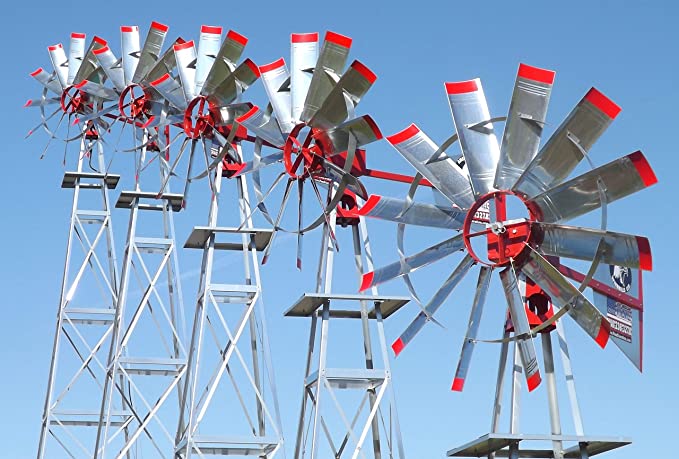
Image credit: pondaeration.com
Windmill Pond Aerators: How they Work and the Reasons They Perform
A windmill is a natural method of aerating ponds. As opposed to electric units that require a continuous power source and incur constant utility costs, a windmill operates in harmony with the natural world. It captures the energy of moving air and then transfers it to a diaphragm-compressor, which then propels air through a tube that is weighted into diffusers located at the bottom of the pond. The rising bubbles oxygenate water and aid in circulating the water, which prevents stagnation.
Wind-powered aeration systems are independent. Many pond owners in rural areas face the problem of having lakes that are not connected to electric power sources. Installation of electrical infrastructure can be costly and invasive. Windmills, on the other hand are self-sufficient. It can be in operation for as long as there’s a breeze, which is typically the scenario. It needs minimal maintenance and produces no emissions. For those interested in long-term sustainability, a pond aeration windmill is a low-impact, high-reward investment.
Selecting the best Windmill Pond Aerator for Your Needs
Choosing the best windmill pond aerator, however, isn’t as simple as picking the tallest one from catalogues. The effectiveness and quality of windmills aerators can vary depending on the build materials used, compressor performance, and overall design. The best windmills should be made of powder-coated or galvanized steel to resist weathering over time. It should offer a durable, sealed compressor and heavy-duty diffusers that can deal with different depths and sediment types.
Mescan windmills is most popular Pond aeration aerator. They are specialized in windmill aerators that have high performance and reliability. Their systems are designed with many years of actual testing and feedback from customers behind them, ensuring consistent airflow even on days with less wind speeds. Some of their windmills can generate airflow with winds that are as low as 3 miles per hour, which makes them suitable for regions where there is a light breeze.
Beauty, sustainability and built to last
The visual appeal is also worthy of noting. The rustic appeal of a traditional windmill can add value to the home. Windmills for pond air aeration are not hidden like compressors or electric pumps. They proudly serve as an element of the landscape and a practical tool. It tells the story of sustainability, self-reliance, and harmony with nature which are becoming more valuable to homeowners and environmental stewards alike.
The ideal windmill pond air Aerator won’t just result in more clean water. It’s about taking a long-term, well-thought-out approach to maintenance of your pond which is considerate of your budget and environment. You may want to help improve the health of fish, improve clarity of the water, or lessen your reliance on the grid, wind-powered Aeration is the possibility of a solution that is as reliable as the breeze itself.